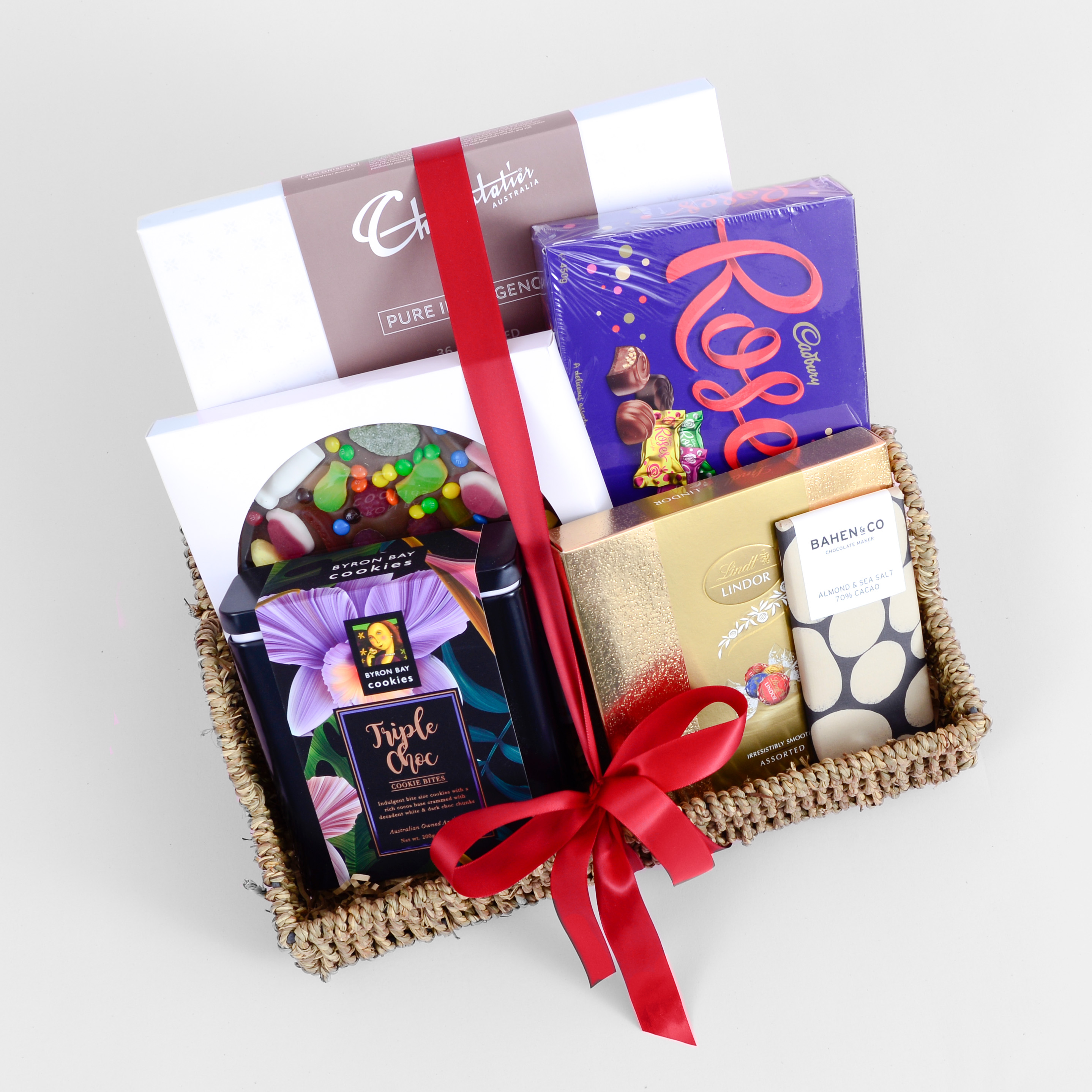
Choosing a chocolate hamper for someone with allergies can feel like navigating a minefield of cocoa, nuts, and hidden triggers. It’s a thoughtful gift that requires a bit of detective work, a dash of culinary knowledge, and a sprinkle of humor to keep the process light. In this guide, we’ll walk through the essential steps to create a safe, delicious chocolate hamper that will win hearts—and won’t win any allergic reactions.
Understanding Allergies and Chocolate
Allergies are not just a “bad taste” in your life; they’re a serious health concern that can turn a sweet treat into a medical emergency. When selecting chocolate, you’re not Ethically sourced only picking flavors but also checking for cross‑contamination, hidden additives, and manufacturing practices.
- Common allergens in chocolate: nuts, dairy, soy, wheat, and sometimes even fish or shellfish in specialty bars. Cross‑contamination: Even if a chocolate bar is allergen‑free, it may have been processed on equipment shared with nuts or dairy. Allergy severity: Some people tolerate trace amounts, while others react to the smallest particle.
> “The safest chocolate is the one that’s made with the utmost respect for its ingredients.” – Dr. Emily Hart, allergist
Have you ever wondered why a chocolate gift can be both a sweet gesture and a risky gamble? The answer lies in the ingredients list and the story behind each bar.
Key Ingredients to Watch
When you’re building a chocolate hamper, think of each bar as a puzzle piece that must fit into the allergy‑friendly picture.
Common Culprits in Chocolate
- Nuts: Almonds, hazelnuts, and pistachios are frequent offenders. Dairy: Milk, whey, and casein can trigger reactions in lactose‑intolerant or milk‑allergic individuals. Soy: Often found in chocolate coatings or fillings. Gluten: Wheat and barley can sneak into chocolate with added flour or malt. Eggs: Rare, but some specialty chocolates use egg whites.
Reading Labels Like a Detective
- Ingredient list: Read every line; allergens are listed in order of quantity. Allergy statements: Look for “may contain” warnings—these are the red flags. Processing notes: “Made on shared equipment” is a warning sign. Certifications: Look for labels like “gluten‑free” or “nut‑free” from reputable certifying bodies.
Quick Checklist
- ❏ Is the chocolate listed as allergen‑free? ❏ Does the label mention cross‑contamination? ❏ Are there certifications that match the allergen concerns?
Building a Safe Hamper
Once you’ve identified allergen‑free chocolates, it’s time to assemble a hamper that feels luxurious without compromising safety.
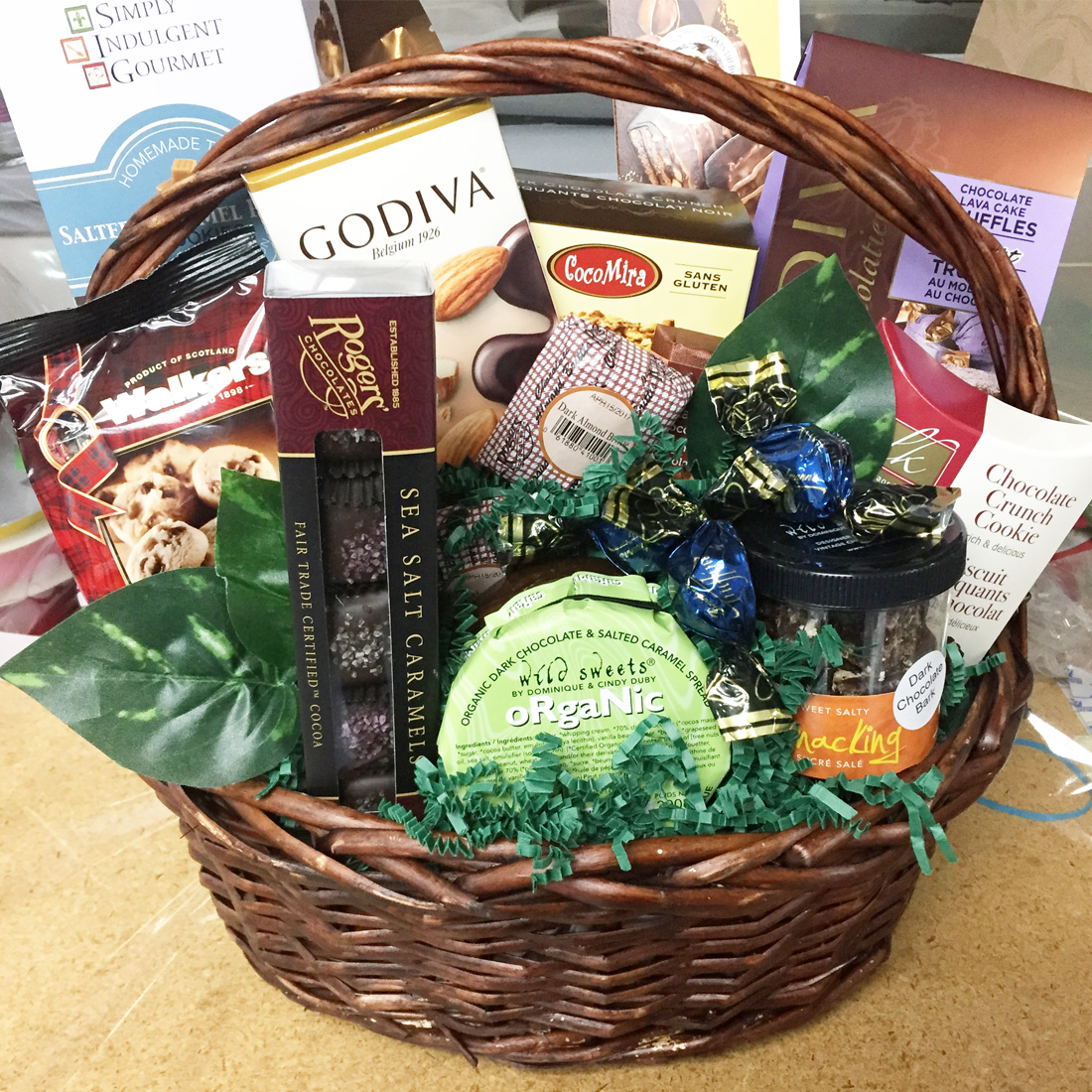
Selecting the Chocolates
- Single‑ingredient bars: Dark chocolate with 70% cacao or more is often the safest bet. Specialty brands: Some companies specialize in allergy‑friendly chocolates—research their sourcing practices. Variety: Include a mix of dark, milk‑free, and fruit‑filled bars to cater to different tastes.
Adding Complementary Treats
- Nut‑free cookies: Opt for oat or rice‑based cookies. Fruit‑based desserts: Dried fruit bars or fruit‑infused chocolates. Alcohol‑free drinks: A small bottle of sparkling water or a non‑alcoholic sparkling wine.
Presentation Tips
- Use a sturdy, resealable box to keep contents fresh. Label each item with a small card noting its allergen status. Add a handwritten note to personalize the experience.
The Perfect Gift Awaits
With the hamper assembled, you’re ready to deliver a sweet surprise that’s both thoughtful and safe. Remember, the best gifts are those that show you’ve listened and cared.
- Timing: Send the hamper a day or two before the event to allow the recipient to open it in a calm setting. Follow‑up: A quick text asking if everything is fine can reinforce your consideration. Future gifting: Keep a list of the chocolates and brands you’ve used; this becomes a reference for next time.
> “When you give a gift that respects a person’s health, you give them something truly priceless.” – Maya Patel, nutrition consultant
Making Your Selection Count
Choosing a chocolate hamper for allergies isn’t just about avoiding nuts; it’s about crafting an experience that feels indulgent and inclusive. By understanding allergens, reading labels like a detective, and thoughtfully assembling the hamper, you’ll create a Go to the website gift that’s as safe as it is delicious.
Ready to put these tips into practice? Browse reputable allergy‑friendly chocolate brands, compile your list, and let the gift‑giving begin—without the fear of a surprise allergic reaction.